
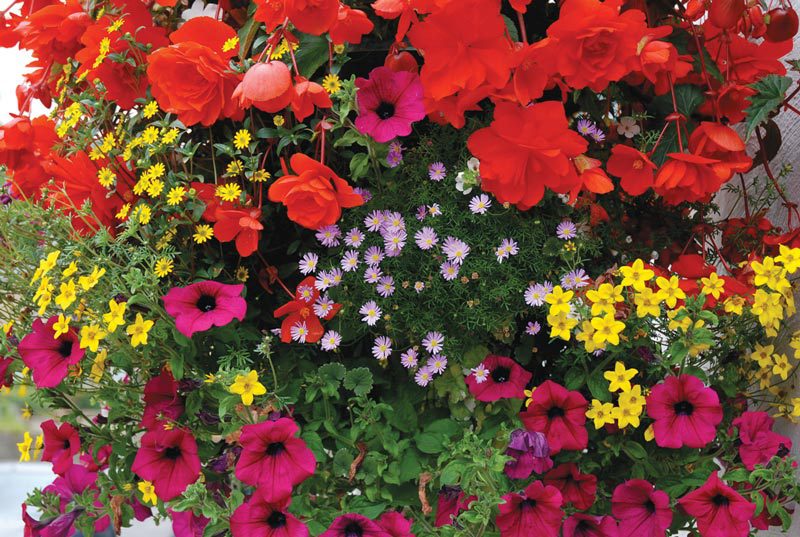
May
Plant a Pollinator Paradise This Spring
At Scenic Roots, spring is the perfect time to turn your yard into a thriving pollinator paradise. This is more than picking a few flowers. It is about creating a living space that supports bees, butterflies, and other beneficial wildlife from early spring through fall.
Start with a Simple Plan
Think of your garden as a layered habitat. Instead of scattering plants randomly, group them in clusters. This makes it easier for pollinators to find food and move efficiently from plant to plant. Aim for a mix of heights, colors, and bloom times so something is always in flower.
Choose Plants That Work Together
A successful pollinator garden includes a variety of nectar and pollen sources. Early bloomers help insects waking up from winter, while mid and late season plants keep them going. Native plants are especially valuable because they are already adapted to local conditions and wildlife.
Add Shelter and Water
Pollinators need more than food. Leave a small area a bit wild for nesting, add a shallow water source like a dish with stones, and avoid overly tidy gardening. A few natural elements go a long way in making your space inviting.
Skip the Chemicals
Even small amounts of pesticides can harm the very pollinators you are trying to attract. Focus on healthy soil, proper spacing, and strong plant choices to reduce the need for treatments.
Build It Over Time
You do not need to do everything at once. Start with one bed or even a few containers, then expand as you go. Each addition brings more life into your garden.
Creating a pollinator paradise is not just good for wildlife. It brings color, movement, and energy into your space all season long. Stop by Scenic Roots to find the right plants and get started today.
Plant a Pollinator Paradise in East Sandwich MA
If you are looking to create a pollinator friendly garden in East Sandwich, MA, there is no better time to start than spring. At Scenic Roots, you can find everything you need to turn your yard into a vibrant, living habitat that supports bees, butterflies, and other beneficial wildlife.
Garden Center in East Sandwich MA with Spring Hours
Scenic Roots is open and ready to help you plan your garden:
- Monday through Saturday: 8:30 AM to 5:00 PM
- Sunday: 9:00 AM to 4:00 PM
Stop in to explore seasonal plants, get expert advice, and start building your pollinator paradise.
Start Your Pollinator Garden with a Plan
A successful pollinator garden is not just a collection of flowers. Think of it as a project. Start by choosing a sunny location and mapping out planting areas in groups. Clusters of the same plant make it easier for pollinators to find and feed efficiently.
Choose the Right Plants for Continuous Blooms
To support pollinators throughout the season, select a mix of early, mid, and late blooming plants. Native plants are especially effective in Massachusetts gardens because they are adapted to the local climate and attract native pollinators.
Look for a variety of shapes and colors to appeal to different species. A well planned mix keeps your garden active from early spring through fall.
Create a Pollinator Friendly Habitat
Pollinators need more than flowers to thrive. Add simple features like:
- A shallow water source with stones for landing
- Natural areas for nesting such as small brush piles or undisturbed soil
- A mix of plant heights for shelter and protection
These small additions can make a big difference.
Avoid Harmful Chemicals
Pesticides can damage or kill pollinators. Focus on healthy soil, proper plant spacing, and strong plant selection to reduce the need for chemical treatments.
Grow Your Garden Over Time
You do not have to build everything at once. Start with one garden bed or a few containers, then expand each season. Even a small pollinator garden can have a big impact.
Pollinator Garden FAQs
What is a pollinator garden
A pollinator garden is designed to attract and support insects and animals like bees, butterflies, and hummingbirds by providing food, water, and shelter.
What are the best plants for pollinators in Massachusetts
Native perennials, flowering shrubs, and herbs are excellent choices. Early bloomers help in spring, while late season flowers support pollinators before winter.
How much space do I need
You can start small. Even a few containers or a small garden bed can attract pollinators if planted thoughtfully.
When should I plant a pollinator garden
Spring is ideal, but you can plant throughout the growing season as long as you provide proper care and watering.
Do pollinator gardens require a lot of maintenance
Once established, they are relatively low maintenance. Watering, occasional weeding, and seasonal cleanup are usually enough.
Creating a pollinator paradise is one of the most rewarding ways to garden. Visit Scenic Roots in East Sandwich, MA to get started and bring your garden to life this season.
Plant a Pollinator Paradise in East Sandwich MA
Thinking about adding more life to your garden this season? A pollinator garden is one of the most rewarding projects you can take on. It is not just about planting flowers. It is about creating a space that supports bees, butterflies, and other beneficial wildlife from spring through fall.
At Scenic Roots, gardeners are turning simple yards into thriving pollinator habitats. Here is how to build a garden that works as a complete system, not just a plant list.
What Is a Pollinator Paradise?
A pollinator paradise is a garden designed to provide food, water, and shelter for pollinators throughout the growing season. Instead of focusing on a few blooms, you are creating an environment that supports life at every stage.
Step 1: Start with a Simple Layout
Before planting, take a few minutes to plan your space.
Group plants in clusters
Pollinators are more likely to visit larger groupings of the same plant rather than single scattered ones
Think in layers
Use a mix of low growing plants, mid height flowers, and taller shrubs to create depth and shelter
Choose a sunny location
Most pollinator plants thrive in full sun with at least 6 hours of light each day
Step 2: Choose Plants That Bloom All Season
A successful pollinator garden provides a steady food source from early spring through fall.
Early season blooms
Support bees and insects just coming out of winter
Mid season flowers
Keep activity strong during peak growing months
Late season plants
Help pollinators prepare for colder weather
Native plants are a great choice for Massachusetts gardens because they are adapted to the local climate and naturally attract native pollinators.
Step 3: Add Water and Shelter
Pollinators need more than nectar to thrive.
Water source
A shallow dish with stones gives bees and butterflies a safe place to land and drink
Shelter areas
Leave a small section of your garden a bit natural with sticks, stems, or undisturbed soil for nesting
Plant variety
Different shapes and sizes provide protection from wind and predators
Step 4: Keep It Natural
Avoid using pesticides or harsh chemicals. Even small amounts can harm pollinators.
Focus on healthy soil
Use compost and organic matter to build strong plants
Let nature do some of the work
A slightly less tidy garden can actually be more beneficial for wildlife
Step 5: Build Your Garden Over Time
You do not need to create everything at once.
Start with one bed or a few containers
Add new plants each season
Watch what works best in your space and expand from there
Even a small pollinator garden can make a big impact.
Why Create a Pollinator Garden?
Supports local wildlife
Adds movement and color to your yard
Helps nearby plants and vegetables thrive through pollination
Creates a more natural, balanced outdoor space
Pollinator Garden FAQs
What is the easiest way to start a pollinator garden
Start with a few pollinator friendly plants in a sunny spot and group them together. Build from there as you gain confidence.
Do I need a large yard
No. Containers, small beds, and even patio spaces can support pollinators if planted thoughtfully.
What plants are best for pollinators in Massachusetts
Native perennials, flowering herbs, and shrubs are all excellent choices. A mix of bloom times is key.
How do I keep pollinators coming back
Provide consistent blooms, avoid chemicals, and include water and shelter in your garden.
Is a pollinator garden high maintenance
Once established, it is relatively low maintenance. Watering, occasional weeding, and seasonal cleanup are usually enough.
Visit Scenic Roots in East Sandwich MA
Ready to start your pollinator garden project? Visit Scenic Roots in East Sandwich, MA for plants, supplies, and expert guidance to help you build a garden that supports local wildlife.
Scenic Roots
349 Route 6A
East Sandwich, MA
Hours:
Monday through Saturday • 8:30 AM to 5:00 PM
Sunday • 9:00 AM to 4:00 PM
Stop in and let’s bring your pollinator paradise to life this season.
Here are some strong SEO-friendly title options (all under 65 characters):
- Build a Pollinator Paradise in Your Own Backyard
- How to Create a Garden That Supports Pollinators
- Turn Your Garden Into a Pollinator Friendly Habitat
- Create a Backyard Habitat for Bees and Butterflies
- A Simple Guide to Building a Pollinator Garden
- Design a Garden That Attracts Bees and Butterflies
- Grow a Garden That Brings Pollinators to Life
- Pollinator Garden Guide for a Thriving Backyard
- Build a Garden That Supports Local Wildlife
- Start a Pollinator Garden That Works All Season
If you want punchier, a little more attitude:
- Build a Garden That Actually Attracts Pollinators
- Stop Guessing Build a Real Pollinator Garden
Want me to tailor one to rank harder for Massachusetts specifically without saying the location outright?
Alright this one is a sales driver if you play it right. Here are SEO-friendly title options that lean into urgency and buying motivation:
Clean + SEO strong:
- Fast Growing Plants for Instant Curb Appeal
- Boost Curb Appeal Fast with These Easy Plants
- Quick Growing Plants That Transform Your Yard
- Add Curb Appeal Fast with These Garden Favorites
- Fast Growing Flowers and Shrubs for Curb Appeal
More action driven (better for clicks):
- Need Curb Appeal Fast Try These Quick Growing Plants
- Transform Your Yard Fast with These Easy Plants
- Upgrade Your Curb Appeal with Fast Growing Plants
- Get a Better Looking Yard Fast with These Plants
Retail leaning (subtle nudge to buy):
- Top Fast Growing Plants for Instant Curb Appeal
- Best Plants to Boost Curb Appeal This Season
- Fast Growing Plants Customers Love for Curb Appeal
Punchier versions:
- Fix Your Curb Appeal Fast with These Plants
- Instant Yard Upgrade Start with These Plants
If you want this to convert in-store traffic, I’d go with:
Top Fast Growing Plants for Instant Curb Appeal
Clean, searchable, and screams “I should go buy something today.”
Want me to write the full blog in your template style too?
Create Instant Curb Appeal with Fast Growing Plants
Looking to upgrade your yard without waiting all season? Fast growing plants are the secret to quick curb appeal. Whether you are getting ready for guests, thinking about selling your home, or just tired of looking at a dull front yard, the right plants can make a big impact fast.
At Scenic Roots, you will find a wide selection of fast growing flowers, shrubs, and greenery that can transform your space in just weeks.
What Are Fast Growing Plants?
Fast growing plants are varieties that establish quickly and show visible growth in a short period of time. Many will fill in space, bloom, or add height within the same season.
They are perfect for:
Filling empty garden beds
Adding privacy or structure
Creating a finished, polished look quickly
Best Fast Growing Plants for Curb Appeal
If you want results fast, these types of plants are great choices:
Annual flowers
Petunias, marigolds, and zinnias grow quickly and provide instant color
Perennials that establish fast
Black eyed Susans and coneflowers return each year and fill in nicely
Flowering shrubs
Hydrangeas and spirea add structure and seasonal blooms
Ornamental grasses
They grow quickly and add movement and texture to your landscape
Climbing plants
Vines like clematis can quickly cover trellises, fences, or entryways
Where to Use Them for Maximum Impact
Placement matters just as much as plant choice.
Front entry
Frame your doorway with colorful containers or small shrubs
Walkways
Line paths with flowers or grasses to guide the eye
Foundation beds
Fill in around your home with a mix of shrubs and flowering plants
Mailbox and corners
These often overlooked spots are perfect for quick upgrades
Tips for Fast Results
To get the most out of your plants, a few simple steps go a long way:
Start with healthy plants
Choose well established plants for faster results
Use quality soil
Good soil helps plants grow stronger and faster
Water consistently
New plants need regular watering to establish quickly
Add mulch
Mulch helps retain moisture and gives beds a clean, finished look
Mix heights and textures
Layering plants creates a fuller, more professional appearance
Why Fast Growing Plants Work
They give you immediate satisfaction and visible progress. Instead of waiting months or years, you can enjoy a refreshed yard in a matter of weeks. That instant improvement not only boosts your home’s appearance but also makes your outdoor space more enjoyable.
FAQs About Fast Growing Plants
What are the fastest growing plants for curb appeal
Annual flowers and ornamental grasses are among the quickest to show results. Many shrubs also establish faster than expected when properly cared for.
How long does it take to see results
Many fast growing plants will show noticeable growth within a few weeks, especially during the peak growing season.
Do fast growing plants require more maintenance
Not necessarily. They do need consistent watering at first, but once established, many are easy to maintain.
Can I use fast growing plants in containers
Yes. Containers are one of the fastest ways to add curb appeal, especially near entryways and patios.
Will these plants come back every year
Annuals last one season, while perennials and shrubs can return year after year with proper care.
Visit Scenic Roots in East Sandwich MA
Ready to give your yard a quick upgrade? Visit Scenic Roots in East Sandwich, MA to explore fast growing plants that deliver real results. Whether you are refreshing a small space or reworking your entire front yard, you will find the plants and inspiration to make it happen.
Scenic Roots
349 Route 6A
East Sandwich, MA
Hours:
Monday through Saturday • 8:30 AM to 5:00 PM
Sunday • 9:00 AM to 4:00 PM
Stop in and let’s get your curb appeal working for you this season.
Top Plants That Thrive in Summer Heat
When summer hits full force, not every plant can handle the pressure. Intense sun, high temperatures, and dry conditions can leave some gardens looking tired fast. The good news is there are plenty of plants that not only survive the heat, they thrive in it.
At Bayview Garden Nurseries, you will find a wide selection of heat tolerant plants that keep your garden looking strong and colorful all summer long.
What Makes a Plant Heat Tolerant?
Heat loving plants are built to handle long days of sun and less frequent watering. Many have deeper root systems, thicker leaves, or drought resistant qualities that help them stay healthy when temperatures rise.
They are perfect for:
Full sun garden beds
Hot, dry areas of your yard
Containers that get intense afternoon sun
Best Plants for Hot Summer Conditions
If your garden struggles in the heat, these plants are solid performers:
Annuals that love the sun
Vinca, lantana, and portulaca thrive in high heat and keep blooming
Perennials that can take the heat
Coneflowers, black eyed Susans, and coreopsis are tough and reliable
Flowering shrubs
Rose of Sharon and certain hydrangea varieties can handle summer conditions well
Ornamental grasses
They add texture and movement while tolerating heat and drought
Herbs that thrive in heat
Lavender, rosemary, and thyme actually prefer warm, sunny conditions
Where to Plant for Best Results
Even heat tolerant plants benefit from smart placement.
Full sun areas
Use heat loving plants where they will get 6 or more hours of direct sunlight
Containers and patios
Choose durable plants that will not wilt quickly in pots
Borders and edges
Line walkways or driveways with plants that can handle reflected heat
Tips to Help Plants Beat the Heat
Give your plants the best chance to succeed with a few simple strategies:
Water deeply, not frequently
Encourages deeper root growth and stronger plants
Mulch your beds
Helps retain moisture and regulate soil temperature
Plant in the morning or evening
Reduces stress during transplanting
Use quality soil
Healthy soil supports stronger, more resilient plants
Why Heat Tolerant Plants Matter
Choosing the right plants saves time, water, and frustration. Instead of constantly replacing struggling plants, you can build a garden that stays vibrant and healthy through the hottest part of the season.
FAQs About Heat Tolerant Plants
What are the easiest plants for hot weather
Vinca, lantana, and ornamental grasses are some of the easiest and most reliable options.
How often should I water during summer
It is better to water deeply a few times a week rather than lightly every day.
Can I grow heat tolerant plants in containers
Yes. Just make sure containers have good drainage and may require more frequent watering.
Do heat tolerant plants still need fertilizer
Yes, but use it in moderation. Too much fertilizer during extreme heat can stress plants.
Will these plants last all summer
With proper care, many heat tolerant plants will continue performing well through the entire season.
Visit Bayview Garden Nurseries in Northfield NJ
Ready to build a garden that can handle the heat? Visit Bayview Garden Nurseries in Northfield, NJ to explore plants that thrive in summer conditions and keep your landscape looking its best.
Bayview Garden Nurseries
2711 Zion Road
Northfield, NJ
Hours:
Monday through Friday • 9 AM to 5 PM
Saturday • 9 AM to 3 PM
Sunday • 10 AM to 2 PM
Office Hours:
9 AM to 4 PM
Stop in and let’s get your garden ready for whatever summer brings.
Water Smarter Not Harder for Summer Gardens
When temperatures rise, watering becomes one of the most important parts of keeping your garden healthy. But more water is not always better. The key is watering efficiently so your plants stay strong without wasting time, money, or resources.
At Bayview Garden Nurseries, smart watering is the difference between plants that struggle and plants that thrive through the hottest months.
What Does Efficient Watering Mean?
Efficient watering is about giving plants exactly what they need, when they need it, without excess runoff or evaporation.
It helps:
Reduce water waste
Encourage deeper root growth
Keep plants healthier during heat and drought
Water Deeply Not Frequently
One of the biggest mistakes gardeners make is watering too often with small amounts.
Deep watering
Soak the soil several inches down to encourage strong root systems
Less frequent watering
Trains plants to grow deeper roots that can handle dry conditions
Shallow watering leads to weak roots and plants that dry out faster.
Water at the Right Time of Day
Timing makes a big difference in how much water your plants actually absorb.
Early morning is best
Cool temperatures allow water to soak in before the sun evaporates it
Avoid midday watering
Most of the water will evaporate before reaching the roots
Evening watering is okay
Just be careful not to leave foliage wet overnight, which can lead to disease
Use Mulch to Lock in Moisture
Mulch is one of the simplest ways to improve watering efficiency.
Helps soil retain moisture
Keeps roots cooler during hot weather
Reduces the need for frequent watering
Adds a clean, finished look to your garden beds
Choose the Right Watering Method
Not all watering methods are equal.
Soaker hoses and drip irrigation
Deliver water directly to the roots with minimal waste
Hand watering
Great for targeting specific plants and containers
Sprinklers
Can be less efficient due to evaporation and runoff
Focus on High Need Areas
Some parts of your garden need more attention than others.
Containers and hanging baskets
Dry out quickly and may need daily watering
Newly planted areas
Require consistent moisture to establish
Full sun beds
Lose moisture faster than shaded areas
Prep for Drought Conditions
Planning ahead can save your garden during extended heat.
Choose drought tolerant plants
Improve soil with compost to hold moisture better
Group plants with similar watering needs together
A little preparation goes a long way when rain is limited.
Why Smart Watering Matters
Efficient watering keeps your plants healthier while saving time and resources. Instead of constantly reacting to dry, stressed plants, you can create a system that works with the environment.
FAQs About Watering in Summer
How often should I water during hot weather
Most gardens do well with deep watering two to three times per week, depending on soil and weather conditions.
How do I know if I am watering enough
Check the soil a few inches down. If it feels dry, it is time to water.
Are drip systems worth it
Yes. They are one of the most efficient ways to deliver water directly to plant roots.
Do containers need more water
Yes. Containers dry out much faster than garden beds and often need daily attention in summer.
Can I overwater in hot weather
Yes. Too much water can lead to root rot and other issues, even in summer.
Visit Bayview Garden Nurseries in Northfield NJ
Ready to make watering easier and more effective? Visit Bayview Garden Nurseries in Northfield, NJ for watering tools, soil solutions, and expert advice to keep your garden thriving through the heat.
Bayview Garden Nurseries
2711 Zion Road
Northfield, NJ
Hours:
Monday through Friday • 9 AM to 5 PM
Saturday • 9 AM to 3 PM
Sunday • 10 AM to 2 PM
Office Hours:
9 AM to 4 PM
Stop in and let’s get your garden set up to handle whatever summer brings.
Plan for Continuous Color from Spring Through Fall
It is easy to end up with a garden that looks great for a few weeks, then fades. The secret to a vibrant landscape all season long is planning for continuous color. With the right mix of plants and timing, you can keep your garden looking full and active from now through fall.
At Bayview Garden Nurseries, gardeners are already thinking ahead and building beds that evolve as the season progresses. Here is how to do it.
What Is Continuous Color Gardening?
Continuous color means your garden always has something blooming. As one plant fades, another takes its place. Instead of one big burst of flowers, you get a steady rotation of color and interest.
Step 1: Layer Your Bloom Times
The key is choosing plants that bloom at different times.
Early season
Bulbs and early perennials bring the first color
Mid season
Annuals and long blooming perennials keep things going
Late season
Plants like asters and ornamental grasses carry color into fall
A mix of bloom times keeps your garden from ever looking empty.
Step 2: Combine Annuals and Perennials
Both play an important role in a long lasting display.
Perennials
Come back each year and create structure in your garden
Annuals
Fill in gaps and provide nonstop color for the current season
Using both gives you consistency and flexibility.
Step 3: Use Color with Intention
Think about how colors will look together throughout the season.
Stick to a simple color palette for a more cohesive look
Mix bold and soft tones to create contrast
Repeat colors in different areas to tie your garden together
Planning your color scheme helps your garden feel designed, not random.
Step 4: Add Foliage for Constant Interest
Flowers come and go, but foliage lasts all season.
Use plants with interesting leaves, textures, and colors
Incorporate ornamental grasses for movement
Mix in shrubs that hold their shape throughout the year
Foliage keeps your garden looking full even between blooms.
Step 5: Refresh as the Season Changes
A great garden is not set once and forgotten.
Replace fading spring flowers with summer annuals
Add late season bloomers as temperatures begin to cool
Swap out containers to match the time of year
Small updates keep your space looking fresh.
Tips for a Garden That Lasts All Season
Plant in layers so something is always filling in
Deadhead spent blooms to encourage more flowers
Feed plants regularly for consistent growth
Water properly to reduce stress during heat
Why Plan Ahead?
A little planning now saves you from gaps later. Instead of scrambling to fix an empty bed in midsummer, you will already have the next wave of color ready to go.
FAQs About Continuous Color Gardening
How do I know when plants will bloom
Plant tags and garden center staff can help you choose varieties with staggered bloom times.
Can I achieve continuous color in a small space
Yes. Containers and small beds can be designed to rotate color just like larger gardens.
Do I need to replant throughout the season
Adding or swapping a few plants helps maintain color, especially with annuals.
What are the best plants for late season color
Asters, sedum, and ornamental grasses are great choices for fall interest.
Is this a lot of maintenance
It requires some planning and light upkeep, but the payoff is a garden that always looks alive and vibrant.
Visit Bayview Garden Nurseries in Northfield NJ
Ready to keep your garden colorful from now through fall? Visit Bayview Garden Nurseries in Northfield, NJ for plants, ideas, and expert guidance to help you plan a season long display.
Bayview Garden Nurseries
2711 Zion Road
Northfield, NJ
Hours:
Monday through Friday • 9 AM to 5 PM
Saturday • 9 AM to 3 PM
Sunday • 10 AM to 2 PM
Office Hours:
9 AM to 4 PM
Stop in and let’s build a garden that keeps going strong all season.
Hi Bonnie,
Not a problem at all, take your time.
In the meantime, I went ahead and updated the year for you.
I’ll be away tomorrow. If anything comes up, feel free to reach out to Kurt. Otherwise, I’ll be back Wednesday.
Best,
Linda
Hi Bonnie,
Got it, I updated both spots to 74th year for you 🙂
No rush at all, I know how busy things get this time of year. Just take a look when you have a chance and let me know if you’d like anything else adjusted.
I’ll be away tomorrow, but if anything comes up, Kurt can help. Otherwise, I’ll be back Wednesday.
And yes… finally some warmth! Hope you get a chance to enjoy a bit of it.
Best,
Linda
Hi Kurt,
I’m not able to sign in to Constant Contact at the moment.
I’m attaching Kristin’s eblast, can you please send it out as soon as you can?
I’m prepping for my procedure, I’ll reconnect with you on Wednesday.
Thanks,
Linda
Plant a Pollinator Paradise This Spring
Looking to create a garden that does more than just look good? A pollinator garden is one of the most rewarding projects you can take on. Instead of planting a few flowers and hoping for the best, this approach is about building a space that supports bees, butterflies, and other beneficial wildlife all season long.
At Sixteen Acres Garden Center, gardeners are turning everyday yards into thriving pollinator habitats. Here is how to plan yours as a complete project, not just a plant list.
What Is a Pollinator Paradise?
A pollinator paradise is designed to provide everything pollinators need to survive and thrive.
Food
Nectar and pollen from a variety of plants
Water
Simple sources for drinking and cooling
Shelter
Safe spaces for nesting and protection
When all three are in place, your garden becomes a reliable habitat, not just a seasonal display.
Step 1: Design Your Layout First
Before you start planting, think about how your garden will function.
Group plants in clusters
Pollinators are drawn to larger groupings rather than scattered plants
Use layers
Combine low, mid height, and taller plants for structure and protection
Choose a sunny location
Most pollinator friendly plants need at least 6 hours of sunlight
A little planning upfront makes a big difference later.
Step 2: Plan for Continuous Blooms
The goal is to keep something in bloom from early spring through fall.
Early bloomers
Support pollinators just emerging from winter
Mid season flowers
Keep activity strong through summer
Late season plants
Provide food as pollinators prepare for colder weather
This steady rotation keeps your garden active all season.
Step 3: Choose Plants That Work Together
Instead of picking random flowers, focus on combinations that support different pollinators.
Mix flower shapes and sizes
Different pollinators are attracted to different types of blooms
Use native plants when possible
They are adapted to Massachusetts conditions and attract local species
Add variety
A diverse garden is a healthier, more resilient garden
Step 4: Add Water and Shelter
Pollinators need more than just flowers.
Water source
A shallow dish with stones gives them a safe place to land and drink
Shelter
Leave small areas natural for nesting or resting
Plant density
Full, layered plantings offer protection from wind and predators
Step 5: Keep It Low Stress and Natural
Avoid practices that can harm pollinators.
Skip pesticides whenever possible
Build healthy soil with compost
Let parts of your garden stay a little wild
A natural approach supports long term success.
Build It Over Time
You do not have to do everything at once.
Start with one bed or a few containers
Add more plants each season
Pay attention to what works best in your space
Even small changes can attract more pollinators right away.
Why Create a Pollinator Garden?
Supports local ecosystems
Adds color and movement to your yard
Helps nearby plants and vegetables thrive
Creates a more balanced outdoor space
Pollinator Garden FAQs
What is the easiest way to start
Begin with a few pollinator friendly plants in a sunny area and group them together. Expand as you go.
Do I need a large space
No. Small beds, containers, and even patio gardens can support pollinators.
What plants are best for Massachusetts
Native perennials, flowering shrubs, and herbs are excellent choices. A mix of bloom times is key.
How do I keep pollinators coming back
Provide consistent blooms, avoid chemicals, and include water and shelter.
Is a pollinator garden hard to maintain
Once established, it is relatively low maintenance with basic watering and seasonal care.
Visit Sixteen Acres Garden Center
Ready to start your pollinator garden project? Visit Sixteen Acres Garden Center in Springfield, MA for plants, supplies, and expert guidance to help you build a garden that supports local wildlife.
Sixteen Acres Garden Center
1359 Wilbraham Road
Springfield, MA
Spring Hours:
Monday through Sunday • 8 AM to 5 PM
Stop in and let’s bring your pollinator paradise to life this season.
The Secret to Bigger Blooms Deadheading Pruning and Pinching
Want fuller plants and more flowers without buying more plants? The secret is not always what you plant, it is how you care for it. Deadheading, pruning, and pinching are simple techniques that can dramatically improve how your garden looks and performs.
At Sixteen Acres Garden Center, these are the go to methods for keeping plants compact, healthy, and blooming longer all season.
What Is Deadheading?
Deadheading is the removal of spent flowers before they go to seed.
Why it works
When a plant stops putting energy into seed production, it redirects that energy into producing more blooms
Best for
Annuals like petunias and marigolds
Perennials like coneflowers and black eyed Susans
How to do it
Snip or pinch off the faded flower just above the next set of leaves
What Is Pruning?
Pruning is the selective cutting back of stems, branches, or growth to shape the plant and improve performance.
Why it works
Encourages stronger growth, better airflow, and more balanced structure
Best for
Shrubs like hydrangeas and spirea
Perennials that get leggy or overgrown
How to do it
Use clean, sharp pruners and cut just above a leaf node or branch point
What Is Pinching?
Pinching is the removal of the very tips of young stems, usually done with your fingers.
Why it works
Forces the plant to branch out, creating a fuller shape with more potential blooms
Best for
Annuals like coleus and zinnias
Young perennials early in the season
How to do it
Pinch off the top inch or so of new growth to encourage side shoots
When to Use Each Method
Deadheading
Throughout the season as flowers fade
Pruning
Early season for shaping or mid season for controlling size
Pinching
Early in the growth stage before plants begin heavy blooming
Using the right technique at the right time keeps your plants performing at their best.
Tips for Better Results
Stay consistent
A little maintenance every week makes a big difference
Do not be afraid to cut
Most plants respond well and grow back stronger
Know your plant
Some plants bloom on old wood and require specific timing
Use the right tools
Clean cuts help prevent disease and promote faster recovery
Why These Techniques Matter
Without regular maintenance, many plants will slow down or stop blooming altogether. With just a few minutes of care, you can extend bloom time, improve plant shape, and get more color from the same plants.
FAQs About Deadheading Pruning and Pinching
Will deadheading really produce more flowers
Yes. Many flowering plants will continue blooming longer when spent flowers are removed.
Can I over prune my plants
It is possible, but most garden plants are forgiving. Avoid removing more than one third of the plant at a time.
Do all plants need pinching
No. It is most useful for plants that benefit from a bushier shape.
What happens if I do nothing
Plants will still grow, but may become leggy, produce fewer blooms, or stop flowering sooner.
Do I need special tools
Basic hand pruners work for most tasks, and pinching can be done by hand.
Visit Sixteen Acres Garden Center
Ready to get more from your garden this season? Visit Sixteen Acres Garden Center in Springfield, MA for expert advice, tools, and plants that respond beautifully to proper care.
Sixteen Acres Garden Center
1359 Wilbraham Road
Springfield, MA
Spring Hours:
Monday through Sunday • 8 AM to 5 PM
Stop in and let’s get your garden blooming bigger and longer.
Herb Gardens That Do More Than Just Flavor
Herb gardens are often seen as simple add ons for cooking, but they can do a lot more. With the right mix, your herb garden can support pollinators, add beauty to your landscape, and even bring a sense of calm and wellness to your daily routine.
At Sixteen Acres Garden Center, gardeners are rethinking herbs as a multi purpose feature that works hard in every part of the garden.
What Makes an Herb Garden Multi Purpose?
A well planned herb garden goes beyond the kitchen.
Cooking
Fresh herbs elevate everyday meals
Pollinator support
Many herbs produce flowers that attract bees and butterflies
Wellness
Fragrance, texture, and natural uses bring a calming, sensory experience
When you combine these benefits, herbs become one of the most valuable parts of your garden.
Best Herbs for Cooking and Flavor
If your main goal is fresh ingredients, start with reliable favorites.
Basil
Perfect for summer dishes and grows quickly
Parsley
Great for continuous harvest and easy to grow
Cilantro
Fast growing and ideal for cooler parts of the season
Chives
Mild onion flavor and low maintenance
Herbs That Attract Pollinators
Many herbs double as pollinator magnets once they flower.
Lavender
Highly attractive to bees and adds strong fragrance
Thyme
Low growing and covered in tiny blooms pollinators love
Oregano
Produces clusters of flowers that bring in beneficial insects
Mint
A vigorous grower that pollinators flock to when blooming
Letting some herbs flower instead of harvesting them all adds life to your garden.
Herbs for Wellness and Relaxation
Herbs are not just useful, they are enjoyable.
Chamomile
Often used for calming teas
Lavender
Known for its relaxing scent
Rosemary
Aromatic and often associated with focus and clarity
Lemon balm
Fresh scent and a favorite for herbal teas
Planting herbs near walkways or seating areas makes it easy to enjoy their fragrance.
Where to Plant Your Herb Garden
Herbs are flexible and fit into almost any space.
Containers
Perfect for patios, decks, and small spaces
Raised beds
Great for keeping herbs organized and easy to access
Mixed garden beds
Blend herbs with flowers and vegetables for a functional landscape
Near the kitchen
Makes harvesting quick and convenient
Tips for a Thriving Herb Garden
Give herbs plenty of sunlight
Most need at least 6 hours per day
Use well draining soil
Herbs do not like to sit in soggy conditions
Harvest regularly
Encourages fuller growth and keeps plants productive
Do not overwater
Many herbs prefer slightly drier conditions
Why Grow a Multi Use Herb Garden?
You get more value from the same space. Instead of planting for just one purpose, you create a garden that feeds you, supports wildlife, and enhances your environment.
FAQs About Herb Gardens
Can herbs really attract pollinators
Yes. Many herbs produce flowers that are highly attractive to bees and butterflies.
Do herbs grow well in containers
Absolutely. Many herbs thrive in pots as long as they have good drainage and sunlight.
Should I let my herbs flower
Letting some herbs flower benefits pollinators, but harvesting regularly will keep others producing leaves longer.
Are herb gardens high maintenance
No. Most herbs are easy to care for and require minimal attention once established.
Can I mix herbs with other plants
Yes. Herbs pair well with vegetables and flowers in mixed garden beds.
Visit Sixteen Acres Garden Center
Ready to create an herb garden that does more? Visit Sixteen Acres Garden Center in Springfield, MA for a wide selection of herbs and everything you need to build a garden that works for cooking, pollinators, and wellness.
Sixteen Acres Garden Center
1359 Wilbraham Road
Springfield, MA
Spring Hours:
Monday through Sunday • 8 AM to 5 PM
Stop in and let’s build an herb garden that works for your whole lifestyle.
Water Smarter Not Harder for Warmer Weather
When the heat kicks in, watering can make or break your garden. But here is the truth, more water is not the answer. Smarter watering is. With the right approach, you can keep plants healthy, reduce waste, and prepare for dry conditions without spending your whole summer dragging a hose around.
At Sixteen Acres Garden Center, efficient watering is one of the easiest ways to get better results with less effort.
What Does Watering Smarter Really Mean?
It is about getting water to the roots where it matters most while minimizing evaporation and runoff.
Better plant health
Stronger root systems
Less water waste
More resilience during heat waves
Deep Watering Beats Frequent Sprinkling
Light daily watering might feel right, but it actually works against you.
Deep watering
Soaks the soil several inches down and encourages roots to grow deeper
Less frequent watering
Helps plants become more drought tolerant over time
Shallow watering leads to weak roots and plants that dry out quickly.
Water at the Right Time
Timing is everything when temperatures rise.
Early morning
Best time to water so moisture can soak in before the sun gets intense
Midday
Avoid if possible, most of the water will evaporate
Evening
Works if needed, but avoid soaking leaves overnight
Use Mulch Like a Pro
Mulch is one of the simplest upgrades you can make.
Keeps soil cool
Reduces evaporation
Helps soil retain moisture longer
Cuts down on how often you need to water
It also gives your beds that clean, finished look.
Upgrade Your Watering Method
Not all watering methods are created equal.
Drip irrigation or soaker hoses
Deliver water directly to the root zone with minimal waste
Hand watering
Great for targeting containers and specific plants
Sprinklers
Quick but less efficient due to evaporation and overspray
Know Your High Maintenance Areas
Some parts of your garden will always need more attention.
Containers and hanging baskets
Dry out fast and may need daily watering
New plantings
Need consistent moisture to establish
Full sun areas
Lose water faster than shaded spots
Prep Now for Dry Spells
A little planning now can save your garden later.
Improve soil with compost to hold moisture
Group plants with similar water needs
Choose drought tolerant plants where possible
Think of it as building a system that can handle stress before it happens.
Why Efficient Watering Matters
Smarter watering saves time, lowers water use, and keeps your plants looking better longer. Instead of reacting to wilted plants, you are staying ahead of the problem.
FAQs About Summer Watering
How often should I water in hot weather
Most gardens benefit from deep watering two to three times per week, depending on conditions.
How do I check if my plants need water
Stick your finger a few inches into the soil. If it feels dry, it is time to water.
Do containers need more water
Yes, they dry out much faster and often need daily watering during hot weather.
Is drip irrigation worth it
Yes, it is one of the most efficient ways to water with minimal waste.
Can I overwater in summer
Absolutely. Too much water can lead to root problems even in hot weather.
Visit Sixteen Acres Garden Center
Ready to make watering easier and more effective? Visit Sixteen Acres Garden Center in Springfield, MA for watering tools, soil solutions, and expert advice to keep your garden thriving through the heat.
Sixteen Acres Garden Center
1359 Wilbraham Road
Springfield, MA
Spring Hours:
Monday through Sunday • 8 AM to 5 PM
Stop in and let’s set your garden up to handle whatever summer throws at it.
Here are some short, punchy title options you can pair with those images:
- Color That Stops You in Your Tracks
- Instant Color Starts Here
- Brighten Up Your Garden Fast
- Fresh Color for Every Corner
- Your Garden Called It Wants These
- Bold Color Made Easy
- Spring Color That Lasts
- Grab Some Color While It’s Hot
- Plant Color Feel Better Instantly
- Where Color Comes to Life
If you want a slightly more Sixteen Acres branded feel:
- Fresh Color at Sixteen Acres
- Color Your Yard Loves
- Bring the Color Home
Want one a little sassier or more sales driven?
Spring is in full swing at Sixteen Acres Garden Center, and it’s the perfect time to refresh your space, get growing, and soak in everything the season has to offer. Fresh arrivals, bold color, and healthy plants are coming in daily, bringing new energy to your home and garden.
Whether you’re planting trees and shrubs, adding seasonal color, or mapping out your garden for the months ahead, our team is here with expert advice, quality plants, and everything you need to make it happen.
Take a stroll through our nursery and greenhouses to explore blooming favorites, lush houseplants, garden accents, gifts, and inspiration that feels bright, fresh, and full of life.
Stay connected with seasonal specials, fresh arrivals, and helpful tips as the season keeps building. Download the Sixteen Acres Garden Center App for real-time updates, exclusive offers, and new inspiration all spring long.
Stop in and meet Andy, our Nursery Manager. He and the entire nursery team are here daily to help with questions, planning, and care for your landscape.
Visit the fully stocked nursery at Sixteen Acres Garden Center, where you will find quality plants, competitive prices, unique varieties, and a team that truly enjoys helping you grow.
Explore a wide selection of specimen trees, shrubs, vines, and fruiting plants, along with container shrubs from 1 gallon and up, including a large assortment of flowering favorites like azaleas, rhododendrons, and andromeda.
Our Floral Shop is centrally located and family operated since 1960. As a full service florist, we create custom designs for every occasion, including weddings, celebrations, holidays, and sympathy arrangements. Our fresh flowers arrive daily and are handled with care to ensure quality and lasting beauty. We offer both local and worldwide delivery.
Our professional designers create fresh and silk arrangements tailored to your style and needs, whether for your home, office, or a special event. From a single rose to a fully custom design, our goal is to provide thoughtful service and exceptional quality.
Let the Floral Shop at Sixteen Acres Garden Center bring your vision to life. We are here to help you create something beautiful and make every floral experience feel special.
Enhance your indoor space with our wide selection of houseplants at Sixteen Acres Garden Center. From easy care favorites to statement plants, our collection brings life, color, and a fresh feel into any room.
Explore everything from the soft blooms of African violets to the elegant beauty of orchids. Whether you are adding a touch of green or creating a full indoor oasis, our team is here to help you choose the right plants for your space and lifestyle.
Featured Plants
Orchids
Available in a variety of colors and styles
Succulents and cactus
Low maintenance options perfect for busy spaces
Monstera and more
Bold, tropical plants that make a statement
Stop in and find the perfect indoor plants to brighten your home and lift your mood.
Enhance your indoor space with houseplants from Sixteen Acres Garden Center. From easy care options to statement plants, our collection adds life and color to any room.
Featured Plants
Orchids in a variety of colors
Succulents and cactus
Monstera and more
Stop in and let our team help you find the perfect fit for your space.
Alright—this is a great little promo block, but right now it’s kinda generic “holiday decorating.” Let’s make it feel fresh, seasonal, and actually engaging so people want to tap it.
🔥 Updated Text Ideas (pick your vibe)
1. Spring + engagement focused (best overall)
Upload Image
Show off your favorite spring blooms 🌸
We’d love to feature your photos with the Sixteen Acres community!
2. More sales-driven (subtle push to visit)
Upload Image
What are you planting this season?
Share your garden and get featured by Sixteen Acres!
3. Fun + community vibe
Upload Image
Let’s see what you’re growing!
Tag your favorites and inspire the 16 Acres community 🌿
4. Clean + simple (if you want minimal)
Upload Image
Share your spring garden photos
Get featured in our community
🌸 Image Ideas (what will perform better)
Right now: poinsettias = wrong season = slight disconnect
Let’s fix that 👇
Swap image to:
- Bright annuals (petunias, geraniums, calibrachoa)
- Hanging baskets (these crush engagement)
- Mixed container with color pop
- Someone holding plants (human = more clicks)
- Close-up blooms with water droplets (chef’s kiss)
Best combo for clicks:
👉 Hanging basket + bold pink/purple + sunlight
👉 OR a cart full of colorful annuals (feels “I need to go there”)
🧠 Pro Tip (this is the secret sauce)
Instead of just “upload,” make it a mini feature opportunity:
Add this at the end:
“We may feature your photo!”
People LOVE that. Instant participation boost.
If you want, I can match the exact tone to the rest of your app posts so everything feels consistent (right now you’ve got a nice “friendly but not cheesy” brand going 👍).
You’re not wrong to hesitate—this sits in that gray zone of “looks small but actually impacts engagement.”
Here’s the honest breakdown:
👀 Reality check
- It’s not urgent → nothing is broken
- But it is noticeable → seasonal mismatch (poinsettias) = slightly off brand
- And it does affect engagement → better image + wording = more interaction
🤝 Who should handle it?
- If you’re managing content + messaging → this is technically your lane
- If they’re just expecting basic updates → this is a nice-to-have, not required
👉 Translation:
You’re not obligated, but you’re also the one who would make it better fastest.
💡 Best move (low effort, high value)
Don’t over-own it—just lightly suggest it.
Something like:
“Hey, quick note—this upload image still has a holiday look. Might be worth swapping to a spring image and updating the wording for better engagement. Let me know if you want me to take care of it.”
That does 3 things:
- Flags it (you look sharp)
- Doesn’t assume responsibility
- Opens the door for paid add-on work 👀
😏 Real talk
This is one of those moments where:
- Doing it → makes you look like a rockstar
- Ignoring it → no one dies
So the move is:
👉 Point it out, don’t automatically own it
If they say “yeah can you do that?”
→ boom, that’s your $50 “quick polish” moment.
Want me to write that message in your exact Kurt-tone?
Here’s a subtle, easygoing version that fits your tone:
Hey, quick note — I noticed the upload image still has more of a holiday look to it. Might be worth updating to something more spring focused for better engagement. I can take care of it if you want 👍
Clean, not pushy, and leaves the door open without volunteering yourself too hard.
That’s the move. Quiet upgrade, big impact. Rockstar energy without the speech.
Here’s a clean, low-key way to drop it in the thread:
Hey, I updated the upload image and messaging to feel more spring and current 👍
If you want slightly more detail but still chill:
Hey, I updated the upload image and messaging to better reflect the season and keep it fresh 👍
No over-explaining, no asking—just “handled.”
Alright, let’s make this feel intentional, seasonal, and branded—not just “updated.”
🌸 TEXT (short, clean, high engagement)
Top pick (balanced + strong)
Upload Image
Show us what you’re growing this spring
We may feature your photo in the 16 Acres community
More playful
Upload Image
Let’s see your spring color
Share your garden with the 16 Acres community
More sales-driven
Upload Image
What are you planting this season
Share your favorites with 16 Acres
🎨 IMAGE DIRECTION (this is where you win)
Best-performing concept
👉 Flat lay or overhead shot of colorful plants
👉 Bright, natural light
👉 Mix of pinks, purples, yellows, greens
Specific ideas (easy to shoot or grab)
1. Color explosion bench
- Trays of annuals (petunias, geraniums, calibrachoa)
- Shot from slightly above
- Packed, full, no empty space
2. Hanging basket hero
- One bold basket front and center
- Slight blur background
- Sunlight hitting blooms
3. “Cart moment”
- Garden cart full of plants
- Feels like “I’m buying all of this”
4. Hands-in-the-garden
- Someone planting or holding flowers
- Human touch = higher engagement
🔥 BRANDED BACKGROUND IDEA (this is your edge)
“16” concept (LOVE this idea 👇)
Create a background where:
- Plants or pots are arranged to form “16”
- Shoot from above
- Use:
- Small pots
- Succulents
- Color blocks (pink for 1, purple for 6)
👉 Subtle branding without screaming logo
🎨 COLOR PALETTE (stick to this)
- Bright pink
- Purple
- Fresh green
- White accents
👉 Keep it spring, not pastel baby shower vibes
👉 Think bold + alive, not soft + sleepy
🧠 Pro layout tip (important)
Leave space for text:
- Top 1/3 or bottom 1/3 clean
- Don’t crowd the image
- Let the color do the talking
💥 Final combo (if you want the winning setup)
Image:
Bright overhead shot of colorful plants OR “16” layout
Text:
Show us what you’re growing this spring
We may feature your photo in the 16 Acres community
If you want, I can mock the exact layout like “where text goes, font weight, spacing” so it drops in clean with your app UI 👍
Perfect—let’s lock this in with Sixteen Acres fully spelled out so it feels more branded and polished.
🌸 FINAL TEXT (ready to use)
Top Pick
Upload Image
Show us what you’re growing this spring
We may feature your photo in the Sixteen Acres community
Alternate (clean + simple)
Upload Image
Share your spring garden
Get featured by Sixteen Acres
Slightly more inviting
Upload Image
Let’s see your spring color
Share your garden with Sixteen Acres
🎨 IMAGE + BRAND IDEA (with “Sixteen Acres”)
Option 1: “Sixteen Acres” spelled out
- Use small pots, succulents, or flowers
- Arrange them to spell:
👉 Sixteen Acres - Shoot from above
- Bright, natural lighting
👉 This is super scroll-stopping and subtly branded
Option 2: Partial word + plants
- Spell just:
👉 Sixteen - Surround with colorful blooms
- Keep “Acres” as overlay text
Option 3: Clean background + overlay
- Background: blurred flowers or greenhouse shot
- Overlay text:
👉 Sixteen Acres (bold, center or top) - Keep it modern and airy
🎨 BACKGROUND COLORS
Go with:
- White or very light neutral (clean + modern)
- Pops of:
- Bright pink
- Purple
- Fresh green
👉 Avoid dark or muddy tones—this is spring, not fall
🔥 LAYOUT TIP (important)
- Keep text short and readable
- Let image carry the emotion
- Leave breathing room so it doesn’t feel cluttered
💥 If you want the strongest combo
👉 Image: Plants arranged spelling Sixteen
👉 Text:
Show us what you’re growing this spring
We may feature your photo in the Sixteen Acres community
This will feel custom, intentional, and way above “stock garden center app.”
Quietly impressive. Exactly what you’re going for.
Water Smarter Not Harder for Warmer Weather
When temperatures rise, watering can feel like a full time job. But more water is not always better. The key is watering efficiently so your plants stay healthy while you save time and reduce waste.
At Copia Home & Garden, smart watering is one of the easiest ways to keep your garden thriving through heat and dry conditions.
What Does Efficient Watering Mean?
Efficient watering is about getting moisture where it matters most, at the roots.
Stronger root systems
Less water waste
Healthier plants during heat
Better drought resistance
Deep Watering Beats Frequent Sprinkling
Light, frequent watering might seem helpful, but it actually weakens plants.
Deep watering
Soaks several inches into the soil and encourages roots to grow deeper
Less frequent watering
Helps plants become more resilient during dry spells
Shallow watering leads to roots staying near the surface where they dry out faster.
Water at the Right Time
Timing can make a big difference in how much water your plants actually use.
Early morning
Best time for watering before the sun causes evaporation
Midday
Avoid when possible since water evaporates quickly
Evening
Works if needed, but avoid soaking foliage overnight
Use Mulch to Lock in Moisture
Mulch is one of the simplest ways to improve watering efficiency.
Keeps soil cool
Reduces evaporation
Maintains consistent moisture
Gives beds a clean, finished look
Choose Smarter Watering Methods
Not all watering methods are equal.
Drip irrigation and soaker hoses
Deliver water directly to the root zone with minimal waste
Hand watering
Ideal for containers and targeted areas
Sprinklers
Quick coverage but less efficient due to evaporation and runoff
Know Your High Need Areas
Some areas of your garden will always dry out faster.
Containers and hanging baskets
Often need daily watering in hot weather
New plantings
Require steady moisture to establish
Full sun beds
Lose water more quickly than shaded areas
Prepare for Drought Conditions
A little planning now helps your garden handle stress later.
Add compost to improve soil moisture retention
Group plants with similar water needs
Choose drought tolerant varieties where possible
Why Watering Smarter Matters
Efficient watering helps you stay ahead of the heat instead of reacting to stressed plants. With the right approach, your garden stays strong, vibrant, and easier to manage all season long.
FAQs About Summer Watering
How often should I water during hot weather
Most gardens benefit from deep watering two to three times per week, depending on conditions.
How do I know if my plants need water
Check the soil a few inches down. If it feels dry, it is time to water.
Do containers need more water
Yes, containers dry out quickly and often need daily watering in summer.
Is drip irrigation worth it
Yes, it is one of the most efficient ways to water with minimal waste.
Can I overwater in summer
Yes, too much water can lead to root problems even during hot weather.
Visit Copia Home and Garden in Salem NY
Ready to make watering easier and more effective? Visit Copia Home and Garden in Salem, NY for watering tools, soil solutions, and expert advice to help your garden handle the heat.
Copia Home and Garden
475 Smith Ridge Rd South
Salem, NY
Spring and Summer Hours:
Monday • 8 AM to 5 PM
Tuesday • Closed
Wednesday through Saturday • 8 AM to 5 PM
Sunday • 9 AM to 4 PM
Stop in and let’s set your garden up for a strong, stress free season.
Keep Hanging Baskets Full All Season Long
Hanging baskets are one of the fastest ways to add color and impact to your space. But without the right care, they can fade, dry out, or get leggy as the season goes on. The good news is it does not take much to keep them looking full, healthy, and vibrant all summer.
At Copia Home & Garden, a few simple habits make all the difference in keeping baskets looking like you just brought them home.
Why Hanging Baskets Struggle
Baskets are exposed on all sides, which means they dry out faster and rely completely on you for water and nutrients.
Limited soil
More sun and wind exposure
Faster nutrient loss
Knowing this helps you stay ahead of problems before they show.
Water the Right Way
Watering is the number one factor in basket success.
Water thoroughly
Soak until water runs out the bottom
Check daily
In warm weather, baskets often need watering every day
Do not rely on light watering
Quick sprinkles do not reach the roots
If your basket feels light, it needs water.
Feed Regularly for Continuous Blooms
Hanging baskets are heavy feeders.
Use a liquid fertilizer
Feed every 1 to 2 weeks to keep plants blooming
Look for bloom boosters
Encourage more flowers and fuller growth
Without feeding, plants will slow down and lose color.
Trim to Keep Them Full
Do not be afraid to cut your plants back.
Deadhead spent blooms
Encourages new flowers
Trim leggy growth
Keeps baskets compact and full
Give them a refresh
A light trim mid season can bring baskets back to life
Give Them the Right Light
Most hanging baskets thrive in full sun, but not all.
Full sun baskets
Need at least 6 hours of direct light
Partial shade options
Better for areas with intense afternoon sun
Matching the plant to the location prevents stress and fading.
Rotate for Even Growth
Baskets can grow unevenly if one side gets more sun.
Turn your baskets every few days
Keeps growth balanced and full on all sides
Refresh When Needed
If your basket starts to fade, you have options.
Swap out struggling plants
Add fresh color mid season
Replace entirely for a new look
Keeping things fresh is part of the process.
Why It Is Worth the Effort
A well maintained hanging basket becomes a focal point. It adds instant color, movement, and life to porches, patios, and entryways all season long.
FAQs About Hanging Basket Care
How often should I water hanging baskets
Most need daily watering in warm weather, sometimes twice during extreme heat.
Why do my baskets dry out so fast
They have limited soil and are exposed to sun and wind on all sides.
Do I really need to fertilize
Yes, regular feeding keeps plants blooming and prevents them from fading.
Can I cut back my basket if it looks messy
Yes, trimming encourages fuller growth and new blooms.
How long should a hanging basket last
With proper care, they can look great from spring through early fall.
Visit Copia Home and Garden in Salem NY
Ready to keep your hanging baskets looking their best? Visit Copia Home and Garden in Salem, NY for beautiful baskets, fresh plants, and everything you need to keep them thriving.
Copia Home and Garden
475 Smith Ridge Rd South
Salem, NY
Spring and Summer Hours:
Monday • 8 AM to 5 PM
Tuesday • Closed
Wednesday through Saturday • 8 AM to 5 PM
Sunday • 9 AM to 4 PM
Stop in and let’s keep your color going strong all season long.
The Secret to Bigger Blooms Deadheading Pruning and Pinching
If your plants look healthy but are not producing as many flowers as you expected, the issue is often not what you planted, it is how you maintain them. Deadheading, pruning, and pinching are simple techniques that can dramatically increase blooms, improve shape, and extend the life of your plants.
At Copia Home & Garden, these methods are the go to strategy for getting fuller, longer lasting color all season.
Why These Techniques Work
Plants naturally shift energy toward seed production once flowers fade. By stepping in at the right time, you redirect that energy back into growth and new blooms.
More flowers
Stronger structure
Healthier plants
Deadheading for Continuous Blooms
Deadheading is the removal of spent flowers before they go to seed.
Why it matters
Stops energy from going into seed production and encourages new buds
Best for
Annuals like petunias, geraniums, and marigolds
Perennials like coneflowers and black eyed Susans
How to do it
Snip or pinch off the faded bloom just above the next set of leaves
Pruning for Shape and Strength
Pruning is the selective cutting back of stems or branches to control size and improve performance.
Why it matters
Encourages branching, improves airflow, and keeps plants from getting leggy
Best for
Shrubs like hydrangeas and spirea
Perennials that start to stretch or thin out
How to do it
Use clean pruners and cut just above a leaf node or branching point
Pinching for Fuller Growth
Pinching is the removal of the tips of young stems to promote branching.
Why it matters
Forces the plant to grow outward instead of upward, creating a fuller plant with more bloom potential
Best for
Annuals like coleus, zinnias, and some herbs
Young plants early in the season
How to do it
Pinch off the top inch of new growth using your fingers or pruners
Timing Matters
Using the right technique at the right time makes all the difference.
Deadheading
Throughout the season as flowers fade
Pruning
Early for shaping or mid season for controlling size
Pinching
Early in the growth stage before heavy blooming begins
Pro Tips for Better Results
Stay consistent
A few minutes each week keeps plants performing at their best
Do not be afraid to cut
Most plants respond by growing back stronger
Know your plant type
Some plants bloom on old wood and require specific timing
Use clean tools
Prevents disease and helps plants recover faster
Why It Is Worth It
Without maintenance, many plants slow down or stop blooming. With just a little attention, you can extend bloom time, improve plant structure, and get significantly more color from the same plants.
FAQs About Deadheading Pruning and Pinching
Will deadheading really produce more flowers
Yes, many flowering plants will continue blooming longer when spent flowers are removed.
Can I over prune
It is possible, but most plants are forgiving. Avoid removing more than one third at a time.
Do all plants need pinching
No, it is most useful for plants that benefit from a bushier shape.
What happens if I skip this step
Plants may become leggy, produce fewer blooms, or stop flowering sooner.
Do I need special tools
Basic hand pruners are enough, and pinching can be done by hand.
Visit Copia Home and Garden in Salem NY
Ready to get more blooms from your garden? Visit Copia Home and Garden in Salem, NY for expert advice, tools, and plants that respond beautifully to proper care.
Copia Home and Garden
475 Smith Ridge Rd South
Salem, NY
Spring and Summer Hours:
Monday • 8 AM to 5 PM
Tuesday • Closed
Wednesday through Saturday • 8 AM to 5 PM
Sunday • 9 AM to 4 PM
Stop in and let’s get your garden blooming bigger and longer.
The Secret to Bigger Blooms Deadheading Pruning and Pinching
If your plants are healthy but not blooming as much as you expected, the difference often comes down to maintenance. Deadheading, pruning, and pinching are simple but powerful techniques that help plants produce more flowers, grow fuller, and stay looking their best all season.
At Crystal Lake Garden Shop and Crystal Lake Garden Shop, these methods are used every day to keep gardens vibrant and productive.
Why These Techniques Work
Once flowers fade, plants naturally shift energy toward producing seeds. By stepping in and removing spent growth, you redirect that energy back into new blooms and stronger development.
More blooms
Better plant shape
Longer flowering season
Deadheading for More Flowers
Deadheading is the removal of spent blooms before they go to seed.
Why it matters
Encourages plants to keep producing flowers instead of slowing down
Best for
Annuals like petunias, geraniums, and calibrachoa
Perennials like coneflowers and black eyed Susans
How to do it
Pinch or snip off the faded flower just above the next set of leaves
Pruning for Structure and Strength
Pruning involves cutting back stems or branches to control size and improve growth.
Why it matters
Promotes better airflow, stronger branching, and a more balanced plant
Best for
Shrubs like hydrangeas and spirea
Perennials that become leggy or overgrown
How to do it
Use clean pruners and cut just above a leaf node or branch point
Pinching for Fuller Plants
Pinching removes the tip of young growth to encourage side shoots.
Why it matters
Creates bushier plants with more stems and more blooms
Best for
Annuals like zinnias, coleus, and some herbs
Young plants early in the season
How to do it
Pinch off the top inch of new growth using your fingers or pruners
Timing Is Key
Knowing when to use each technique makes a big difference.
Deadheading
Throughout the season as flowers fade
Pruning
Early for shaping or mid season for controlling growth
Pinching
Early in the season before heavy blooming begins
Pro Tips for Bigger Blooms
Stay consistent
A few minutes each week keeps plants performing at their best
Do not be afraid to cut
Most plants respond with stronger growth
Know your plant
Some bloom on old wood and require specific timing
Use clean tools
Helps prevent disease and supports faster recovery
Why It Is Worth It
Without regular maintenance, many plants slow down or stop blooming. With just a little effort, you can extend bloom time, improve plant shape, and get more color from the same plants all season long.
FAQs About Deadheading Pruning and Pinching
Will deadheading really increase blooms
Yes, many flowering plants will continue to bloom longer when spent flowers are removed.
Can I over prune my plants
It is possible, but most plants are forgiving. Avoid removing more than one third at a time.
Do all plants benefit from pinching
No, it is most useful for plants that respond well to branching.
What happens if I skip these steps
Plants may become leggy, produce fewer blooms, or stop flowering sooner.
Do I need special tools
Basic hand pruners work well, and pinching can be done by hand.
Visit Crystal Lake Garden Shop
Ready to get more from your garden this season? Visit Crystal Lake Garden Shop in Plymouth or Carver, MA for expert advice, quality plants, and the tools you need to keep everything blooming strong.
Plymouth Location
252 Summer Street
Plymouth, MA
Open 7 days • 9 AM to 5 PM
Carver Location
19 West Street
Carver, MA
Open 7 days • 9 AM to 5 PM
Stop in and let’s help your garden reach its full potential this season.
Water Smarter Not Harder for Warmer Weather
When the heat sets in, watering can feel like a constant task. But more water is not the goal. Smarter watering is. With the right approach, you can keep your plants healthy, reduce waste, and prepare your garden for dry conditions without overworking yourself.
At Crystal Lake Garden Shop, efficient watering is one of the easiest ways to keep your garden strong through the hottest part of the season.
What Does Watering Smarter Mean?
It is about delivering water where plants need it most, at the roots, while minimizing evaporation and runoff.
Stronger root systems
Healthier plants
Less water waste
Better drought resistance
Deep Watering Is More Effective
Frequent light watering can actually weaken plants.
Deep watering
Soaks several inches into the soil and encourages deeper roots
Less frequent watering
Helps plants become more resilient during dry periods
Shallow watering keeps roots near the surface where they dry out quickly.
Water at the Right Time
Timing plays a big role in efficiency.
Early morning
Best time to water so moisture can soak in before the heat
Midday
Avoid when possible since water evaporates quickly
Evening
Works if needed, but avoid leaving foliage wet overnight
Use Mulch to Your Advantage
Mulch helps you get more out of every watering.
Keeps soil cooler
Reduces evaporation
Maintains consistent moisture
Improves the look of your beds
Choose Better Watering Methods
The way you water matters just as much as how often.
Drip irrigation and soaker hoses
Deliver water directly to the root zone with minimal waste
Hand watering
Great for containers and targeted areas
Sprinklers
Cover large areas quickly but lose water to evaporation and runoff
Focus on High Need Areas
Some areas dry out faster and need extra attention.
Containers and hanging baskets
Often need daily watering in warm weather
New plantings
Require consistent moisture to establish
Full sun beds
Lose water faster than shaded areas
Plan Ahead for Dry Conditions
A little preparation goes a long way.
Improve soil with compost to hold moisture
Group plants with similar watering needs
Incorporate drought tolerant plants where possible
Why It Matters
Efficient watering keeps your garden healthier and easier to manage. Instead of reacting to stressed plants, you create a system that works with the conditions.
FAQs About Watering in Warm Weather
How often should I water during summer
Most gardens benefit from deep watering two to three times per week, depending on conditions.
How do I know if my plants need water
Check the soil a few inches down. If it feels dry, it is time to water.
Do containers need more water
Yes, they dry out quickly and often need daily watering in hot weather.
Is drip irrigation worth it
Yes, it is one of the most efficient ways to water.
Can I overwater in summer
Yes, too much water can lead to root problems even in warm conditions.
Visit Crystal Lake Garden Shop
Ready to make watering easier and more effective? Visit Crystal Lake Garden Shop for tools, soil solutions, and expert advice to help your garden handle the heat.
Open 7 days • 9 AM to 5 PM
Stop in and let’s set your garden up for a strong, stress free season.
Water Smarter Not Harder for Warmer Weather
When the heat sets in, watering can feel like a constant task. But more water is not the goal. Smarter watering is. With the right approach, you can keep your plants healthy, reduce waste, and prepare your garden for dry conditions without overworking yourself.
At Crystal Lake Garden Shop, efficient watering is one of the easiest ways to keep your garden strong through the hottest part of the season.
What Does Watering Smarter Mean?
It is about delivering water where plants need it most, at the roots, while minimizing evaporation and runoff.
Stronger root systems
Healthier plants
Less water waste
Better drought resistance
Deep Watering Is More Effective
Frequent light watering can actually weaken plants.
Deep watering
Soaks several inches into the soil and encourages deeper roots
Less frequent watering
Helps plants become more resilient during dry periods
Shallow watering keeps roots near the surface where they dry out quickly.
Water at the Right Time
Timing plays a big role in efficiency.
Early morning
Best time to water so moisture can soak in before the heat
Midday
Avoid when possible since water evaporates quickly
Evening
Works if needed, but avoid leaving foliage wet overnight
Use Mulch to Your Advantage
Mulch helps you get more out of every watering.
Keeps soil cooler
Reduces evaporation
Maintains consistent moisture
Improves the look of your beds
Choose Better Watering Methods
The way you water matters just as much as how often.
Drip irrigation and soaker hoses
Deliver water directly to the root zone with minimal waste
Hand watering
Great for containers and targeted areas
Sprinklers
Cover large areas quickly but lose water to evaporation and runoff
Focus on High Need Areas
Some areas dry out faster and need extra attention.
Containers and hanging baskets
Often need daily watering in warm weather
New plantings
Require consistent moisture to establish
Full sun beds
Lose water faster than shaded areas
Plan Ahead for Dry Conditions
A little preparation goes a long way.
Improve soil with compost to hold moisture
Group plants with similar watering needs
Incorporate drought tolerant plants where possible
Why It Matters
Efficient watering keeps your garden healthier and easier to manage. Instead of reacting to stressed plants, you create a system that works with the conditions.
FAQs About Watering in Warm Weather
How often should I water during summer
Most gardens benefit from deep watering two to three times per week, depending on conditions.
How do I know if my plants need water
Check the soil a few inches down. If it feels dry, it is time to water.
Do containers need more water
Yes, they dry out quickly and often need daily watering in hot weather.
Is drip irrigation worth it
Yes, it is one of the most efficient ways to water.
Can I overwater in summer
Yes, too much water can lead to root problems even in warm conditions.
Visit Crystal Lake Garden Shop
Ready to make watering easier and more effective? Visit Crystal Lake Garden Shop for tools, soil solutions, and expert advice to help your garden handle the heat.
Plymouth Location
252 Summer Street
Plymouth, MA 02360
Carver Location
19 West Street
Carver, MA 02330
Open 7 days • 9 AM to 5 PM
Stop in and let’s set your garden up for a strong, stress free season.
Keep Hanging Baskets Looking Full All Season Long
Hanging baskets are one of the easiest ways to add instant color, but keeping them full and vibrant takes a little know how. With the right care, your baskets can stay lush, balanced, and blooming from spring through late summer.
At Crystal Lake Garden Shop, a few simple habits can keep your baskets looking like you just brought them home.
Why Hanging Baskets Need Extra Attention
Baskets dry out faster than garden beds and rely completely on you for water and nutrients.
Limited soil
More sun and wind exposure
Faster nutrient loss
Staying consistent is the key to success.
Water Thoroughly and Often
Watering is the most important part of basket care.
Water until it drains
Make sure the entire root ball is soaked
Check daily
In warm weather, baskets often need water every day
Do not lightly sprinkle
Quick watering does not reach the roots
If the basket feels light, it needs water.
Feed for Continuous Color
Hanging baskets are heavy feeders and need regular nutrients.
Use a liquid fertilizer
Feed every 1 to 2 weeks
Choose bloom boosters
Encourage more flowers and fuller growth
Without feeding, plants will slow down and lose their impact.
Trim to Keep Them Full
Do not be afraid to cut your plants back.
Deadhead spent blooms
Keeps plants producing flowers
Trim leggy growth
Maintains a full, balanced shape
Refresh mid season
A light trim can bring tired baskets back to life
Give Them the Right Light
Most baskets prefer full sun, but placement still matters.
Full sun
Ideal for most flowering baskets
Partial shade
Better for areas with intense afternoon heat
Matching light to plant type prevents stress.
Rotate for Even Growth
Baskets can grow unevenly if one side gets more sun.
Turn them every few days
Keeps growth full on all sides
Refresh When Needed
Sometimes a quick update makes all the difference.
Swap out struggling plants
Add fresh color mid season
Replace entirely for a new look
Keeping things fresh is part of the process.
Why It Is Worth It
A well maintained hanging basket becomes a focal point. It adds color, movement, and life to porches, patios, and entryways all season long.
FAQs About Hanging Basket Care
How often should I water hanging baskets
Most need daily watering in warm weather and sometimes twice during extreme heat.
Why do baskets dry out so quickly
They have limited soil and are exposed to sun and wind on all sides.
Do I need to fertilize
Yes, regular feeding keeps plants blooming and healthy.
Can I cut back my basket
Yes, trimming helps maintain fullness and encourages new blooms.
How long should baskets last
With proper care, they can stay vibrant from spring through early fall.
Visit Crystal Lake Garden Shop
Ready to keep your hanging baskets looking their best? Visit Crystal Lake Garden Shop for beautiful baskets, fresh plants, and everything you need to keep them thriving.
Plymouth Location
252 Summer Street
Plymouth, MA 02360
Carver Location
19 West Street
Carver, MA 02330
Open 7 days • 9 AM to 5 PM
Stop in and let’s keep your color going strong all season long.
Herb Gardens That Do More Than Just Flavor
Herb gardens are often treated as a small add on, but they can do much more than season your meals. With the right mix, herbs can support pollinators, add beauty to your space, and bring a sense of calm and wellness into your daily routine.
At Crystal Lake Garden Shop, herbs are a smart, multi purpose choice for any garden, patio, or container setup.
What Makes an Herb Garden Multi Purpose?
A well planned herb garden works in more than one way.
Cooking
Fresh herbs bring flavor to everyday meals
Pollinator support
Many herbs produce flowers that attract bees and butterflies
Wellness
Fragrance and natural uses create a relaxing, sensory experience
Best Herbs for Cooking
If your goal is fresh ingredients, start with these reliable favorites.
Basil
Fast growing and perfect for summer dishes
Parsley
Easy to grow and great for continuous harvest
Cilantro
Ideal for cooler parts of the season
Chives
Low maintenance with a mild onion flavor
Herbs That Attract Pollinators
Many herbs become pollinator magnets when allowed to flower.
Lavender
Highly attractive to bees and adds strong fragrance
Thyme
Low growing with small blooms pollinators love
Oregano
Produces clusters of flowers that bring in beneficial insects
Mint
A vigorous grower that pollinators visit frequently
Letting some herbs flower helps support your garden ecosystem.
Herbs for Wellness and Relaxation
Herbs are not just useful, they are enjoyable.
Chamomile
Often used in calming teas
Lavender
Known for its relaxing scent
Rosemary
Aromatic and often associated with focus
Lemon balm
Fresh scent and popular for teas
Plant herbs near walkways or seating areas so you can enjoy them every day.
Where to Plant Your Herb Garden
Herbs are flexible and work in many spaces.
Containers
Perfect for patios, decks, and small areas
Raised beds
Keep herbs organized and easy to maintain
Mixed garden beds
Blend herbs with flowers and vegetables
Near the kitchen
Makes harvesting quick and convenient
Tips for a Thriving Herb Garden
Give herbs plenty of sunlight
Most need at least 6 hours daily
Use well draining soil
Herbs do not like soggy conditions
Harvest regularly
Encourages fuller, healthier plants
Do not overwater
Many herbs prefer slightly drier soil
Why Grow a Multi Use Herb Garden?
You get more value from the same space. Instead of planting for one purpose, you create a garden that feeds you, supports pollinators, and enhances your environment.
FAQs About Herb Gardens
Can herbs really attract pollinators
Yes, many herbs produce flowers that are very attractive to bees and butterflies.
Do herbs grow well in containers
Yes, most herbs thrive in pots with good drainage and sunlight.
Should I let herbs flower
Letting some flower supports pollinators, but harvesting keeps others producing leaves longer.
Are herb gardens high maintenance
No, most herbs are easy to care for once established.
Can I mix herbs with other plants
Yes, herbs pair well with vegetables and flowers in mixed beds.
Visit Crystal Lake Garden Shop
Ready to create an herb garden that does more? Visit Crystal Lake Garden Shop for a wide selection of herbs and everything you need to build a garden that fits your lifestyle.
Plymouth Location
252 Summer Street
Plymouth, MA 02360
Carver Location
19 West Street
Carver, MA 02330
Open 7 days • 9 AM to 5 PM
Stop in and let’s build an herb garden that works for you all season long.
Crystal Lake Garden Shop has been a favorite destination for all things green and growing, with two well loved locations in Plymouth and Carver. This family run garden center is known for its standout selection of unique annuals, perennials, vegetables, and more, all carefully grown in the Carver greenhouses. Each plant is chosen for its strength, character, and the excitement it brings to gardeners looking for something a little different.
The season is in full swing, and both garden centers are open and thriving. After months of growing and preparation, our benches are filled with distinctive, eye catching, and reliable varieties that perform beautifully in Southeastern Massachusetts. This is when gardens really take shape, and there is no better time to dive in.
When you visit either location, you will be welcomed by a friendly, knowledgeable team that genuinely enjoys helping you grow. At Crystal Lake, gardening is more than a task, it is part of the experience. Whether you are an experienced gardener or just getting started, you will find inspiration around every corner.
We are open for the season and look forward to seeing you soon.
Hi,
I just wanted to let you know I’ve updated your site.
Take a look when you have a chance, and let me know if you’d like any changes or additions.
Thanks,
Linda
Herb Gardens That Do More Than Just Flavor
Herb gardens are often thought of as simple additions, but they can do much more than enhance your meals. With the right mix, herbs can support pollinators, add beauty to your space, and bring a sense of calm and wellness into your everyday routine.
At Donaldson’s Greenhouse & Nursery, herbs are a smart, multi purpose choice for gardens, patios, and containers alike.
What Makes an Herb Garden Multi Purpose?
A well planned herb garden works in several ways at once.
Cooking
Fresh herbs elevate everyday dishes with flavor and aroma
Pollinator support
Many herbs produce flowers that attract bees and butterflies
Wellness
Fragrance and natural uses create a relaxing, sensory experience
Best Herbs for Cooking
If your goal is fresh ingredients, start with dependable favorites.
Basil
Fast growing and perfect for summer meals
Parsley
Easy to grow and great for continuous harvest
Cilantro
Ideal for cooler parts of the season
Chives
Low maintenance with a mild onion flavor
Herbs That Attract Pollinators
Many herbs become pollinator magnets when allowed to flower.
Lavender
Highly attractive to bees and adds strong fragrance
Thyme
Low growing with small blooms pollinators love
Oregano
Produces clusters of flowers that draw beneficial insects
Mint
A vigorous grower that pollinators visit often
Letting some herbs flower helps support your garden ecosystem.
Herbs for Wellness and Relaxation
Herbs are not just useful, they are enjoyable.
Chamomile
Often used in calming teas
Lavender
Known for its relaxing scent
Rosemary
Aromatic and often associated with focus
Lemon balm
Fresh scent and popular for teas
Plant herbs near walkways or seating areas so you can enjoy them throughout the day.
Where to Plant Your Herb Garden
Herbs are flexible and fit into many spaces.
Containers
Perfect for patios, decks, and smaller areas
Raised beds
Keep herbs organized and easy to manage
Mixed garden beds
Blend herbs with flowers and vegetables
Near the kitchen
Makes harvesting quick and convenient
Tips for a Thriving Herb Garden
Give herbs plenty of sunlight
Most need at least 6 hours daily
Use well draining soil
Herbs do not like soggy conditions
Harvest regularly
Encourages fuller, healthier plants
Do not overwater
Many herbs prefer slightly drier soil
Why Grow a Multi Use Herb Garden?
You get more value from the same space. Instead of planting for one purpose, you create a garden that feeds you, supports wildlife, and enhances your environment.
FAQs About Herb Gardens
Can herbs attract pollinators
Yes, many herbs produce flowers that are highly attractive to bees and butterflies.
Do herbs grow well in containers
Yes, most herbs thrive in pots with proper drainage and sunlight.
Should I let herbs flower
Letting some herbs flower supports pollinators, while regular harvesting keeps others producing leaves.
Are herb gardens high maintenance
No, most herbs are easy to care for once established.
Can I mix herbs with other plants
Yes, herbs pair well with vegetables and flowers in mixed beds.
Visit Donaldson’s Greenhouse and Nursery
Ready to create an herb garden that does more? Visit Donaldson’s Greenhouse and Nursery in Hackettstown, NJ for a wide selection of herbs and everything you need to build a garden that fits your lifestyle.
Donaldson’s Greenhouse and Nursery
178 Airport Road
Hackettstown, NJ
Hours:
Monday through Saturday • 8 AM to 6 PM
Sunday • 9 AM to 5 PM
Stop in and let’s build an herb garden that works for you all season long.
Herb Gardens That Do More Than Just Flavor
Herb gardens are often seen as simple add ons, but they can do far more than season your meals. With the right mix, herbs can support pollinators, enhance your space, and bring a sense of calm and wellness into your daily routine.
At Donaldson’s Greenhouse & Nursery, herbs are a smart, multi purpose choice for gardens, patios, and containers.
What Makes an Herb Garden Multi Purpose?
A well planned herb garden works in more ways than one.
Cooking
Fresh herbs bring bold flavor to everyday dishes
Pollinator support
Many herbs produce flowers that attract bees and butterflies
Wellness
Fragrance and natural uses create a relaxing, sensory experience
Best Herbs for Cooking
If your focus is fresh ingredients, start with these reliable options.
Basil
Fast growing and perfect for summer meals
Parsley
Easy to grow with steady harvests
Cilantro
Great for cooler parts of the season
Chives
Low maintenance with a mild onion flavor
Herbs That Attract Pollinators
Many herbs become pollinator magnets when allowed to bloom.
Lavender
Highly attractive to bees and known for its fragrance
Thyme
Low growing with blooms pollinators love
Oregano
Produces clusters of flowers that draw beneficial insects
Mint
A vigorous grower that pollinators visit often
Letting some herbs flower adds life and movement to your garden.
Herbs for Wellness and Relaxation
Herbs are not just useful, they are enjoyable.
Chamomile
Often used in calming teas
Lavender
Known for its soothing scent
Rosemary
Aromatic and often linked to focus
Lemon balm
Fresh scent and popular for teas
Plant herbs near walkways or seating areas to enjoy them every day.
Where to Plant Your Herb Garden
Herbs are flexible and fit into many spaces.
Containers
Perfect for patios, decks, and smaller areas
Raised beds
Keep herbs organized and easy to maintain
Mixed beds
Combine herbs with flowers and vegetables
Near the kitchen
Makes harvesting quick and convenient
Tips for a Thriving Herb Garden
Give herbs plenty of sunlight
Most need at least 6 hours daily
Use well draining soil
Herbs do not like soggy conditions
Harvest regularly
Encourages fuller, healthier plants
Do not overwater
Many herbs prefer slightly drier soil
Why Grow a Multi Use Herb Garden?
You get more value from the same space. Instead of planting for one purpose, you create a garden that feeds you, supports pollinators, and enhances your environment.
FAQs About Herb Gardens
Can herbs attract pollinators
Yes, many herbs produce flowers that are highly attractive to bees and butterflies.
Do herbs grow well in containers
Yes, most herbs thrive in pots with proper drainage and sunlight.
Should I let herbs flower
Letting some herbs flower supports pollinators, while regular harvesting keeps others producing leaves.
Are herb gardens high maintenance
No, most herbs are easy to care for once established.
Can I mix herbs with other plants
Yes, herbs pair well with vegetables and flowers in mixed beds.
Visit Donaldson’s Greenhouse and Nursery
Ready to create an herb garden that does more? Visit Donaldson’s Greenhouse and Nursery in Hackettstown, NJ for a wide selection of herbs and everything you need to build a garden that fits your lifestyle.
Donaldson’s Greenhouse and Nursery
178 Airport Road
Hackettstown, NJ
Hours:
Monday through Saturday • 8 AM to 6 PM
Sunday • 9 AM to 5 PM
Stop in and let’s build an herb garden that works for you all season long.
Keep Hanging Baskets Looking Full All Season Long
Hanging baskets bring instant color, but keeping them full and vibrant takes a little strategy. With the right care, your baskets can stay lush, balanced, and blooming from spring well into late summer.
At Donaldson’s Greenhouse & Nursery, a few simple habits can keep your baskets looking fresh all season.
Why Hanging Baskets Need Extra Care
Baskets dry out faster than garden beds and depend entirely on you for water and nutrients.
Limited soil
More exposure to sun and wind
Faster nutrient loss
Consistency is what keeps them looking great.
Water Thoroughly and Check Daily
Watering is the most important step.
Soak completely
Water until it drains from the bottom
Check every day
Warm weather often means daily watering
Avoid light watering
Quick sprinkles do not reach the roots
If your basket feels light, it is time to water.
Feed for Continuous Blooms
Hanging baskets need regular feeding to stay full.
Use liquid fertilizer
Feed every 1 to 2 weeks
Choose bloom boosters
Encourage more flowers and fuller growth
Without nutrients, plants will slow down and fade.
Trim to Keep Them Full
Do not be afraid to cut back your plants.
Deadhead spent blooms
Keeps flowers coming
Trim leggy growth
Maintains a compact, full shape
Refresh mid season
A light trim can bring baskets back to life
Place Them in the Right Light
Most baskets perform best with proper sun exposure.
Full sun
Ideal for most flowering baskets
Partial shade
Better for areas with strong afternoon heat
Matching the plant to the location prevents stress.
Rotate for Even Growth
Sunlight can cause uneven growth.
Turn baskets every few days
Keeps all sides full and balanced
Refresh When Needed
If your basket starts to fade, give it a boost.
Replace struggling plants
Add new color mid season
Swap out entirely for a fresh look
Why It Is Worth It
A well maintained hanging basket becomes a standout feature. It adds color, movement, and life to porches, patios, and entryways all season long.
FAQs About Hanging Basket Care
How often should I water
Most baskets need daily watering in warm weather and sometimes twice during extreme heat.
Why do they dry out so fast
They have limited soil and are exposed to sun and wind on all sides.
Do I need to fertilize
Yes, regular feeding keeps plants blooming and healthy.
Can I cut back my basket
Yes, trimming helps maintain fullness and encourages new blooms.
How long should baskets last
With proper care, they can stay vibrant from spring through early fall.
Visit Donaldson’s Greenhouse and Nursery
Ready to keep your hanging baskets looking their best? Visit Donaldson’s Greenhouse and Nursery in Hackettstown, NJ for beautiful baskets, fresh plants, and everything you need to keep them thriving.
Donaldson’s Greenhouse and Nursery
178 Airport Road
Hackettstown, NJ
Hours:
Monday through Saturday • 8 AM to 6 PM
Sunday • 9 AM to 5 PM
Stop in and let’s keep your color going strong all season long.
Water Smarter Not Harder for Warmer Weather
When the weather heats up, watering can feel like a constant chore. But more water is not the solution. Smarter watering is. With the right approach, you can keep your plants healthy, reduce waste, and prepare your garden for dry conditions without overdoing it.
At Donaldson’s Greenhouse & Nursery, efficient watering is one of the easiest ways to keep your garden thriving through summer stress.
What Does Efficient Watering Mean?
It is about getting water to the roots where it is needed most while minimizing evaporation and runoff.
Stronger roots
Healthier plants
Less water waste
Better drought tolerance
Water Deeply Not Frequently
Frequent light watering may seem helpful, but it leads to weaker plants.
Deep watering
Soaks several inches into the soil and encourages deeper root growth
Less frequent watering
Helps plants become more resilient in dry conditions
Shallow watering keeps roots near the surface where they dry out faster.
Water at the Right Time of Day
Timing makes a big difference.
Early morning
Best time to water before the sun causes evaporation
Midday
Avoid if possible since water evaporates quickly
Evening
Works if needed, but avoid soaking foliage overnight
Use Mulch to Lock in Moisture
Mulch helps you get more out of every watering.
Keeps soil cool
Reduces evaporation
Maintains consistent moisture
Gives beds a clean, finished look
Choose Efficient Watering Methods
How you water matters just as much as how often.
Drip irrigation and soaker hoses
Deliver water directly to the roots with minimal waste
Hand watering
Great for containers and targeted areas
Sprinklers
Cover large areas but lose water to evaporation and runoff
Focus on High Need Areas
Some areas will always need extra attention.
Containers and hanging baskets
Dry out quickly and may need daily watering
New plantings
Need steady moisture to establish
Full sun beds
Lose water faster than shaded areas
Prepare for Drought Conditions
A little planning now helps your garden later.
Add compost to improve soil moisture retention
Group plants with similar water needs
Choose drought tolerant plants where possible
Why It Matters
Efficient watering keeps your garden healthier and easier to manage. Instead of reacting to stressed plants, you create a system that works with the conditions.
FAQs About Summer Watering
How often should I water during hot weather
Most gardens benefit from deep watering two to three times per week depending on conditions.
How do I know if my plants need water
Check the soil a few inches down. If it feels dry, it is time to water.
Do containers need more water
Yes, they dry out faster and often need daily watering.
Is drip irrigation worth it
Yes, it is one of the most efficient ways to water.
Can I overwater in summer
Yes, too much water can lead to root problems even in warm weather.
Visit Donaldson’s Greenhouse and Nursery
Ready to make watering easier and more effective? Visit Donaldson’s Greenhouse and Nursery in Hackettstown, NJ for tools, soil solutions, and expert advice to help your garden handle the heat.
Donaldson’s Greenhouse and Nursery
178 Airport Road
Hackettstown, NJ
Hours:
Monday through Saturday • 8 AM to 6 PM
Sunday • 9 AM to 5 PM
Stop in and let’s set your garden up for a strong, stress free season.
The Garden Season Is Underway
at Donaldson’s Greenhouse & Nursery!
The growing season is getting going in Hackettstown, and Donaldson’s Greenhouse & Nursery is a great place to find fresh inspiration. While outdoor spaces are just starting to come alive, the greenhouse is already filled with vibrant tropicals, unique air plants, and a wide range of houseplants that bring color and energy into your home.
Step inside and explore healthy greenery perfect for brightening indoor spaces, from bold tropical statement plants to easy care favorites and creative air plant displays. It is also an ideal time to get a jump on the season with quality seed starting supplies, grow lights, containers, and essential tools designed to help you grow with confidence.
Whether you are updating your indoor plant collection or preparing for the season ahead, Donaldson’s offers a welcoming space filled with inspiration, knowledge, and everything you need to keep growing year round.
Now Open
Monday thru Saturday 8 am to 6 pm
Sunday 9 am to 5 pm
Hi Maggie,
Please see attached and confirm:
1 PVC, 1 sided, no grommets – Large Trees & Shrubs
3 Native Plants
If everything looks good, you can sign off here:
Thanks,
Linda
THE GARDEN SEASON IS UNDERWAY
See what’s growing at
Donaldson’s Greenhouse & Nursery
Stop in and get inspired today
Keep Hanging Baskets Full All Season Long in Florida Heat
Hanging baskets add instant color, but in Florida’s heat, they can dry out and fade fast if not cared for properly. The good news is with the right routine, you can keep your baskets looking full, lush, and vibrant all season long.
At Lindley’s Garden Center, a few simple adjustments make all the difference in warm, humid conditions.
Why Hanging Baskets Struggle in Florida
Florida gardens face a unique challenge.
High heat and humidity
Strong sun exposure
Frequent drying from wind and salt air
Baskets have limited soil, so they rely completely on you for water and nutrients.
Water More Often but Do It Right
In Florida, watering is everything.
Water thoroughly
Soak until water drains from the bottom
Check twice daily
Morning and late afternoon during hot spells
Do not rely on light watering
Quick sprinkles do not reach the roots
If the basket feels light, it needs water immediately.
Feed Regularly for Continuous Blooms
Fast growth means faster nutrient loss.
Use liquid fertilizer
Feed every 1 to 2 weeks
Choose bloom boosters
Encourage constant flowering
Without feeding, baskets will lose color quickly.
Trim to Keep Them Full
Heat can cause baskets to stretch and look thin.
Deadhead spent blooms
Keeps flowers coming
Trim leggy growth
Encourages fuller, bushier plants
Refresh mid season
A light trim can bring baskets back quickly
Protect from Harsh Afternoon Sun
Florida sun can be intense.
Morning sun is ideal
Afternoon shade helps prevent stress
Move baskets if needed
Especially during extreme heat waves
Choose Heat Loving Plants
Not all plants can handle Florida conditions.
Best performers include
Vinca
Calibrachoa
Lantana
Purslane
These thrive in heat and keep producing color.
Rotate and Maintain
Keep your baskets looking balanced.
Turn baskets every few days
Ensures even growth
Remove weak or struggling plants
Replace with fresh color when needed
Why It Is Worth It
With proper care, hanging baskets can stay bold and beautiful despite the heat. They bring movement, color, and life to patios, porches, and entryways all season long.
FAQs About Hanging Baskets in Warm Climates
How often should I water in Florida
Most baskets need daily watering and often twice per day in peak heat.
Why do my baskets fade so quickly
Heat, sun, and limited soil cause faster drying and nutrient loss.
Do I need to fertilize more often
Yes, frequent feeding helps maintain strong growth and blooms.
Can I revive a struggling basket
Yes, trimming and consistent care can often bring it back.
What plants last the longest in heat
Heat tolerant plants like vinca and lantana perform best.
Visit Lindley’s Garden Center
Ready to keep your hanging baskets looking their best? Visit Lindley’s Garden Center in New Smyrna Beach, FL for beautiful baskets, heat tolerant plants, and everything you need to keep them thriving.
Lindley’s Garden Center
1232 Canal Street
New Smyrna Beach, FL
Hours:
Tuesday through Saturday • 9 AM to 5 PM
Sunday • 11 AM to 4 PM
Closed Monday
Stop in and let’s keep your color going strong all season long.
Keep Hanging Baskets Full All Season Long
Hanging baskets add instant color, but in warm, sunny conditions they can dry out and fade quickly without the right care. The good news is with a few simple habits, you can keep your baskets looking full, lush, and vibrant all season long.
At Lindley’s Garden Center, a few smart adjustments make all the difference in keeping baskets thriving through the heat.
Why Hanging Baskets Struggle
Baskets face more stress than in ground plants.
High heat and humidity
Strong sun exposure
Limited soil and faster drying
Because of this, they rely completely on you for water and nutrients.
Water More Often but Do It Right
Watering is the most important step.
Water thoroughly
Soak until water drains from the bottom
Check twice daily
Morning and late afternoon during hot spells
Avoid light watering
Quick sprinkles do not reach the roots
If the basket feels light, it needs water right away.
Feed Regularly for Continuous Blooms
Fast growth means nutrients are used up quickly.
Use liquid fertilizer
Feed every 1 to 2 weeks
Choose bloom boosters
Encourage constant flowering
Without feeding, baskets lose color and fullness.
Trim to Keep Them Full
Heat can cause baskets to stretch and thin out.
Deadhead spent blooms
Keeps flowers coming
Trim leggy growth
Encourages fuller plants
Refresh mid season
A light trim can bring baskets back quickly
Protect from Harsh Afternoon Sun
Intense sun can stress even strong plants.
Morning sun is ideal
Afternoon shade helps prevent burnout
Move baskets if needed
Especially during extreme heat
Choose Heat Loving Plants
Not all plants can handle strong sun and heat.
Best performers include
Vinca
Calibrachoa
Lantana
Purslane
These varieties continue producing color even in tough conditions.
Rotate and Maintain
Keep baskets balanced and looking full.
Turn every few days
Ensures even growth
Remove weak plants
Replace with fresh color when needed
Why It Is Worth It
With proper care, hanging baskets stay bold and beautiful despite the heat. They add color, movement, and life to porches, patios, and entryways all season.
FAQs About Hanging Basket Care
How often should I water
Most baskets need daily watering and sometimes twice per day in peak heat.
Why do baskets dry out so fast
They have limited soil and are exposed to sun and wind.
Do I need to fertilize
Yes, regular feeding keeps plants blooming and full.
Can I revive a struggling basket
Yes, trimming and consistent care can often bring it back.
What plants last longest
Heat tolerant varieties like vinca and lantana perform best.
Visit Lindley’s Garden Center
Ready to keep your hanging baskets looking their best? Visit Lindley’s Garden Center for beautiful baskets, heat tolerant plants, and everything you need to keep them thriving.
Lindley’s Garden Center
1232 Canal Street
New Smyrna Beach, FL
Hours:
Tuesday through Saturday • 9 AM to 5 PM
Sunday • 11 AM to 4 PM
Closed Monday
Stop in and let’s keep your color going strong all season long.